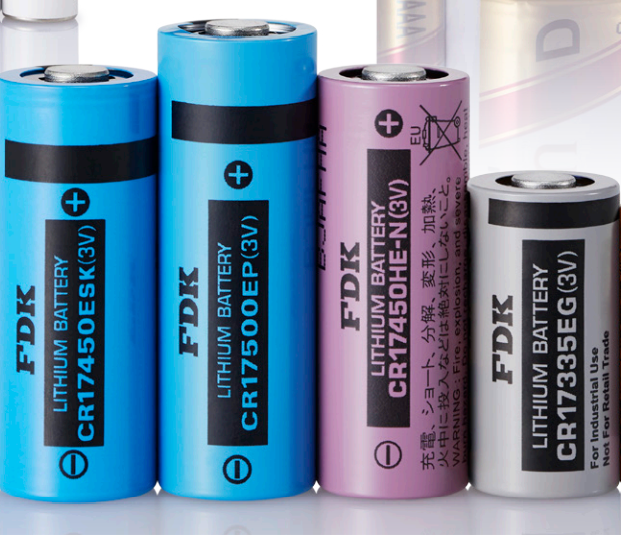
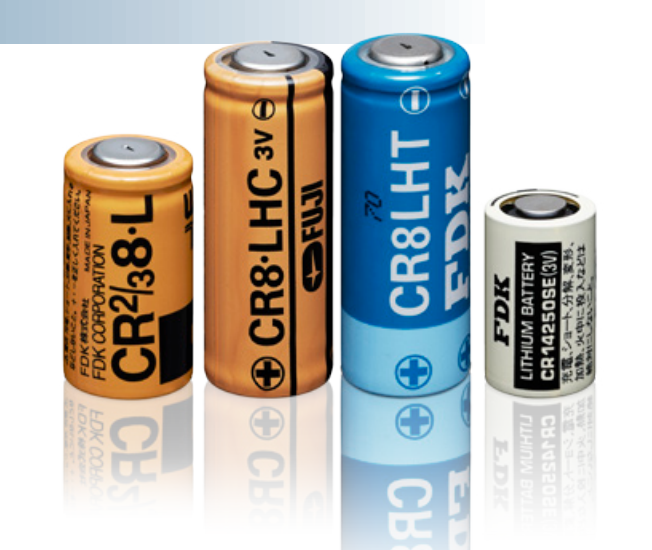
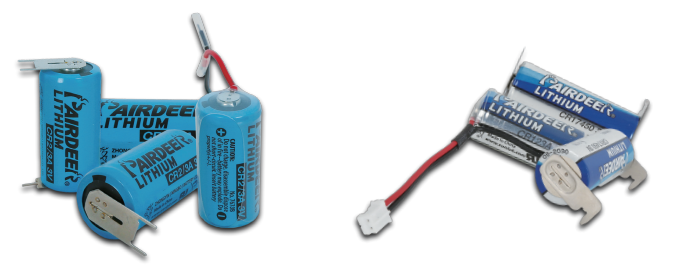
Lithium batteries are mainly used for clock backup in smart meters. Currently, domestic energy meters mainly use 1/2AA disposable lithium thionyl chloride batteries, which have the advantages of high open circuit voltage, long lifespan, large capacity, stable operating voltage, wide temperature range, and low self discharge rate.
Pain point analysis:
At the 28th China Electrical Instrumentation Industry Development Forum and Exhibition held in Jiangyin City, Jiangsu Province on April 21, the leaders of the State Grid Metrology Center summarized and reviewed the application, development, and progress of electric energy meters and other products after the implementation of unified bidding by State Grid for 4 years. At the same time, they also pointed out the existing problems, especially the clock drift and other issues in about millions of installed and operated electric energy meters, a considerable proportion of which are caused by undervoltage of clock lithium batteries.
The main reasons for clock battery undervoltage are:
1. Internal micro short circuit of battery;
2. High self discharge rate;
3. Severe battery passivation;
4. Lack of airtightness, etc.
The above reasons are related to the differences in raw materials, production process technology, and automation level of production equipment used in batteries.